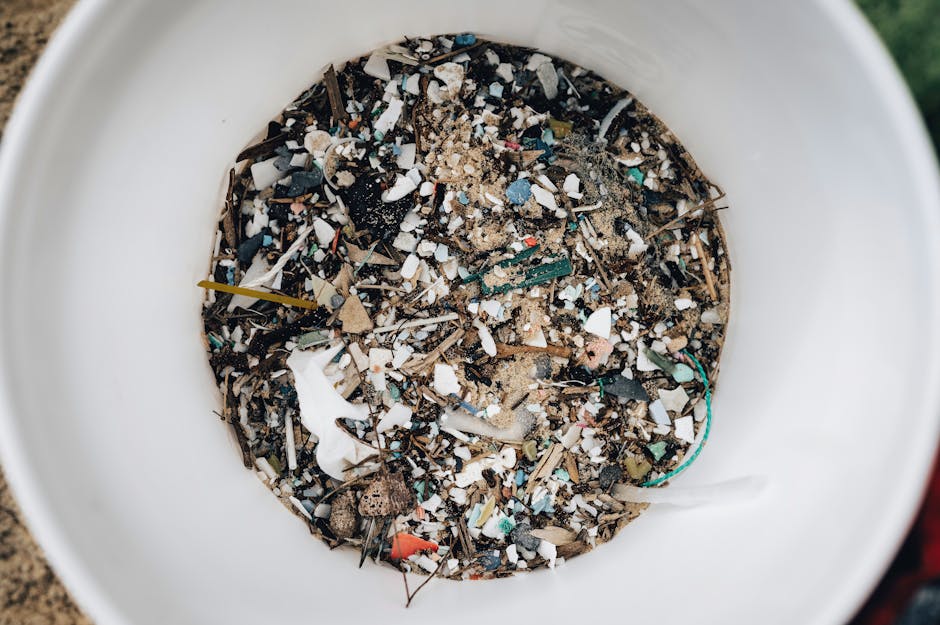
Why microplastics human health exposure matters.

Updated 1 day, 21 hours ago

Photo by Alfo Medeiros on Pexels

The arguments

Alarming and Pervasive Health Threat

Scientific evidence increasingly shows microplastics infiltrate every human organ, cross the blood-brain barrier, and enter the body through multiple daily exposure routes including water and food packaging, representing a serious and underappreciated health risk.

1 show

Mixed

Scale of Risk Still Being Calibrated

While contamination is confirmed, some prior estimates (such as 'a credit card's worth of plastic per week') have been revised dramatically downward, suggesting the true magnitude of harm remains scientifically unsettled and earlier alarmism may have been overstated.

1 show
Brief

A 2024 PNAS study using advanced microscopy revealed that bottled water contains an average of 240,000 microplastic and nanoplastic particles per liter — roughly eight times the previous estimate of 30,000. These particles are now detected in virtually every human organ and tissue, including the brain, where postmortem analyses have found microplastics and nanoplastics comprising approximately 0.5% of total brain weight. Exposure pathways extend beyond drinking water to food packaging, with canned soup consumption linked to over a 1,000% spike in urinary BPA levels. The scale and ubiquity of this contamination has prompted growing scientific and public concern over long-term health consequences.

Hear it discussed (3)

You're at the end of this conversation.

New podbits will appear here as podcasts discuss this topic.

No sections match your search.
