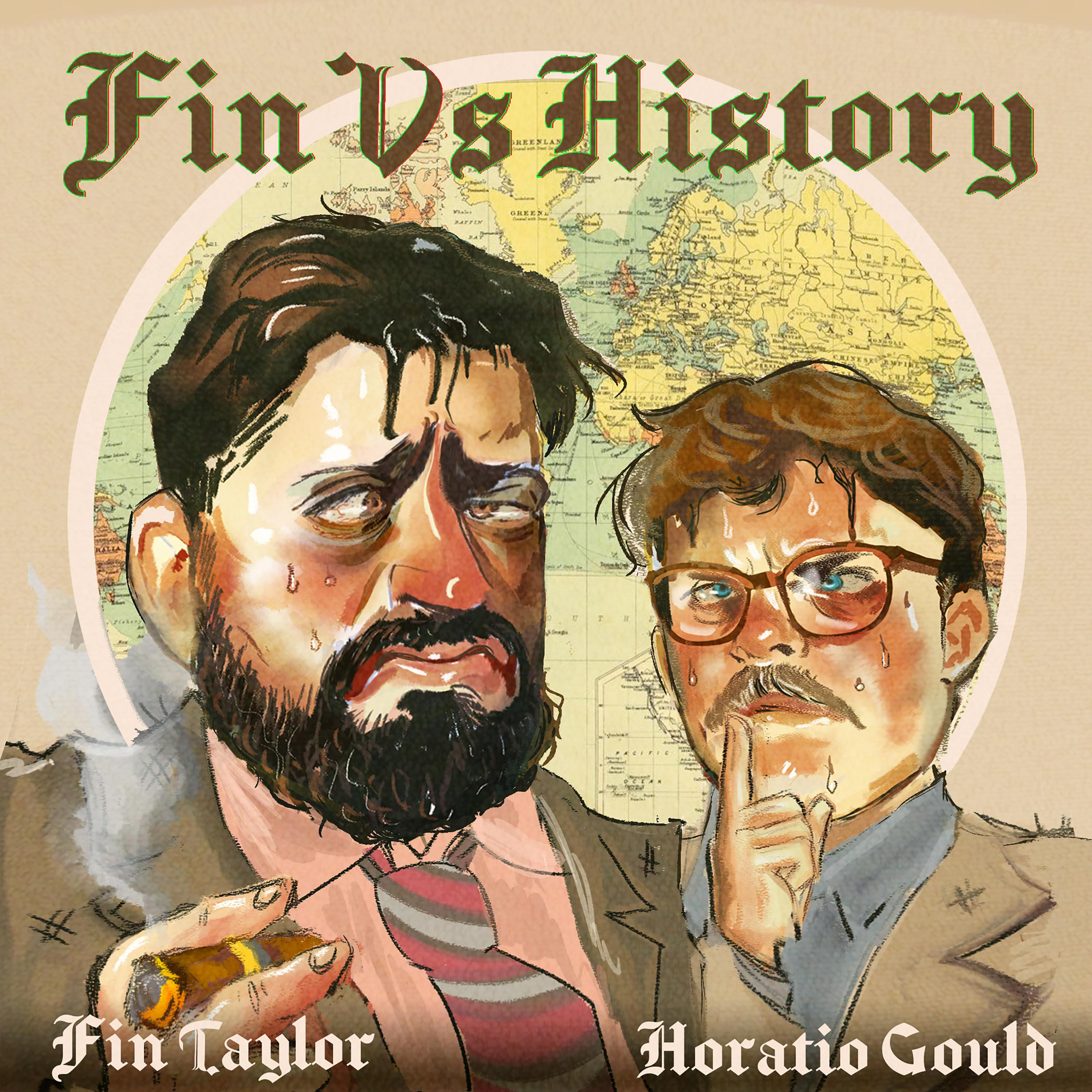
Quote · Fin vs History
Italy’s Greatest Weapon Is Surrender | Monty vs Rommel (Part 2/4)
Where this was said
New Errol Clip!
At 26:53 · chapter starts 26:13
Despite being explicitly told not to advance, Rommel sees weakness and goes for it — Operation Sunflower commences 24 March 1941. His Ghost Division, powered by Pervitin (Nazi-issued methamphetamine), drives through the desert for three days and nights, appearing unexpectedly behind enemy lines before anyone can react. By 3 April, Allied forces have been pushed back across the Egyptian border. [1] — Fin Taylor "Rommel launched Operation Sunflower on 24 March 1941 against explicit orders, driving his Ghost Division through the desert for three days …" 21:15 Fin characterises Rommel's whole approach — striking fast, exploiting gaps, ignoring supply-chain mathematics — as fundamentally incompatible with what the North African wargame teaches about desert warfare: that it rewards crushing, obsessive planning, not improv. Operation Sunflower stalls, however, at Tobruk. The siege begins 10 April 1941, with the port largely garrisoned by Australians. Fin and Horatio debate why the Aussies are such fierce fighters — the theory that proximity to convict ancestry plus desert acclimatisation explains their toughness is advanced with more enthusiasm than rigour. The Rats of Tobruk shelter underground during German bombardments by day and fight back at night, holding out for 241 days. [2] — Fin Taylor "Siege of Tobruk: 241 days: Australian troops, known as the Rats of Tobruk, held the besieged port of Tobruk for 241 days under constant bom…" 37:16
Rommel's Ghost Division troops were kept awake for three days and nights in the desert through use of Pervitin, Nazi-issued methamphetamine, mirroring the Blitzkrieg tactics on the Western Front.
Australian troops in Tobruk withstood a 241-day siege by hiding in underground tunnels during German shelling by day and launching counterattacks at night. Fin and Horatio debate whether the Aussies' ferocity came from genetic selection through penal colonisation.
Fin and Horatio play a clip of Errol Musk being interviewed about apartheid, arguing that Blacks weren't oppressed because they had their homelands and white people had 'the worst land'. The interviewer systematically dismantles each claim with basic facts — and Errol remains entirely unbothered.


