
First album sold 10K — shunned by industry
Chloe Bailey's first solo album sold around 10,000 copies, which she says is normal today, but the industry shunned her for the numbers at the time.
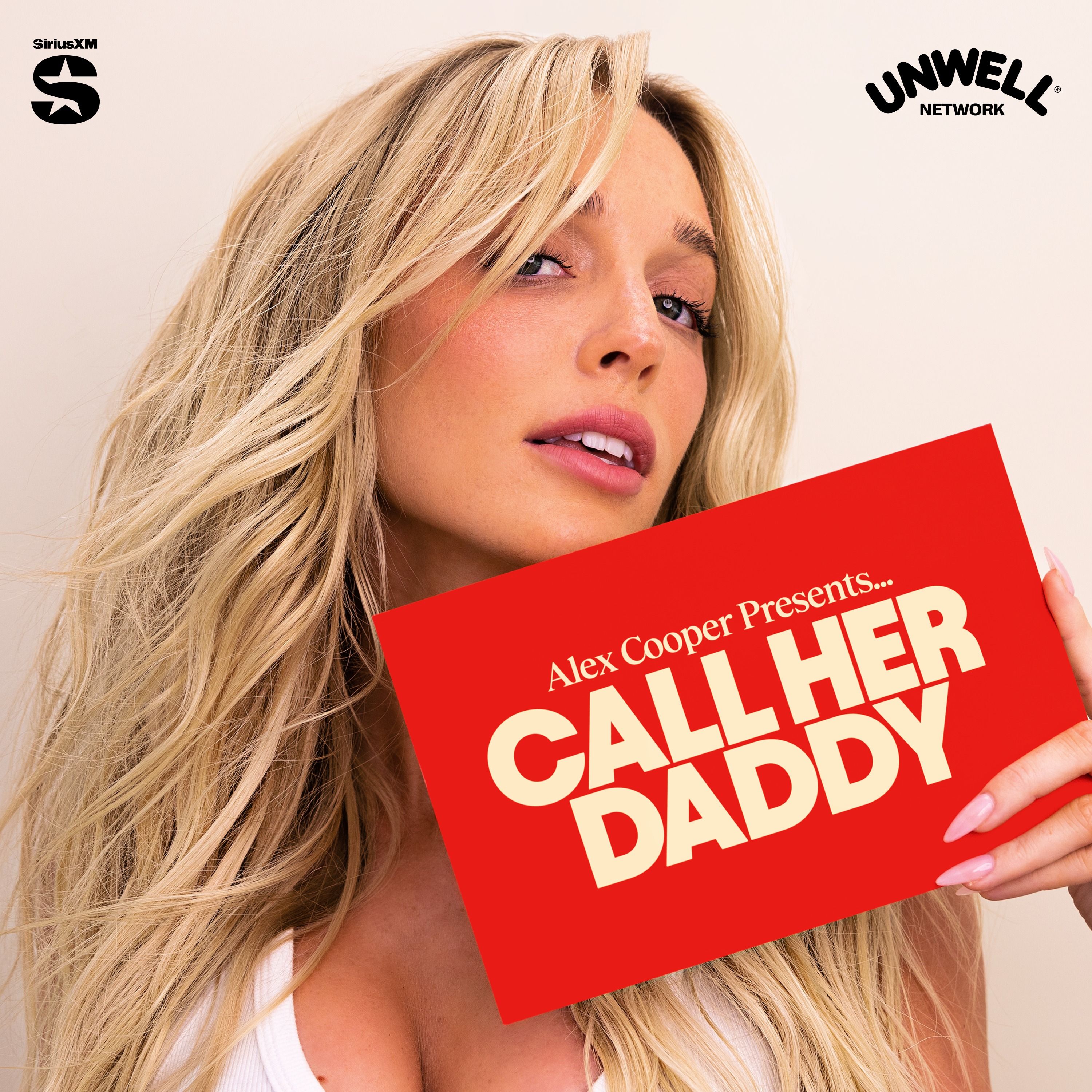
Snapshot · Call Her Daddy
Chloe Bailey's first solo album sold around 10,000 copies, which she says is normal today, but the industry shunned her for the numbers at the time.
Where this was said
At 41:55 · chapter starts 38:30
The success of 'Have Mercy' brought immediate pressure: everyone insisted the follow-up had to be perfect, so Chloe waited eight months before releasing the next single and lost momentum she couldn't easily rebuild. [1] — Chloe Bailey "One night on tour, Chloe stopped being present. She watched herself perform from the audience in her own head, arms moving, legs moving, bu…" 43:50 When her first album sold around 10,000 copies — a normal figure today but treated as failure then — the industry shunned her. Her manager Charmaine responded counterintuitively, booking a tour immediately. Every show sold out. But the disconnect between the online narrative ('flop') and real life (fans who knew every word) destabilized Chloe until she had a dissociative episode mid-performance, watching herself from the audience. Charmaine found her backstage and delivered a speech that is essentially the spine of this conversation: don't let anyone take what God gave you.
Chloe's first solo album sold 10K copies and the industry shunned her. Then her manager booked a tour the week after release. Every show sold out. Every fan knew every word. The metrics lied; real life told the truth.
During a low point on her first solo tour, Chloe experienced a dissociative episode onstage where she felt she was watching herself perform from the audience rather than being present.
One night on tour, Chloe stopped being present. She watched herself perform from the audience in her own head, arms moving, legs moving, but nobody home. Her godmom-manager Charmaine found her backstage and said: don't ever let them take your gift.

The Frozen soundtrack was the best-selling album of 2014, selling 10 million copies including streaming equivalents — beating Taylor Swift's 1989.

Most music historians point to 1968 as the year reggae was definitively born, marked by songs like Desmond Dekker's 'The Israelites' and the first use of the word 'reggae' by Toots and the Maytals.
Mento, the earliest predecessor to reggae from the 1940s–50s, blended African work songs with European musical influences and featured instruments like banjo, guitar, and the rumba box.
Transistor radios allowed Jamaicans to tune into Miami R&B stations for the first time in the 1950s–60s, directly inspiring ska and setting the stage for reggae.
Rocksteady, the slower, vocal-heavy predecessor to reggae, was popular for just about two years but produced major hits including the original 'Tide Is High' and 'Ain't No Sunshine.'
Joe Higgs' 1960 debut hit 'Manny-O' with Higgs and Wilson was one of the first records ever pressed and sold in Jamaica, selling 50,000 copies — a remarkable figure for the era.
Two days after being shot in the chest and shoulder at his home in 1976, Bob Marley still performed the Smile Jamaica anti-violence concert, showing extraordinary commitment to peace.
Catch a Fire (1972) is considered the Wailers' first full-blown reggae album, despite the group having released approximately four albums prior that were more R&B in style.
DJ Kool Herc, widely credited as a founding father of hip-hop, was born in Kingston, Jamaica, and brought Jamaican toasting traditions with him when he moved to the Bronx at age 12.
We use essential and analytics cookies to run Vuci. To understand how the site is used: Privacy Policy.

Install Vuci on your phone
Add it to your home screen for a faster, app-like experience.
Install Vuci on your phone
Tap the Share button, then “Add to Home Screen”.
A new version is available
Reload to get the latest Vuci.