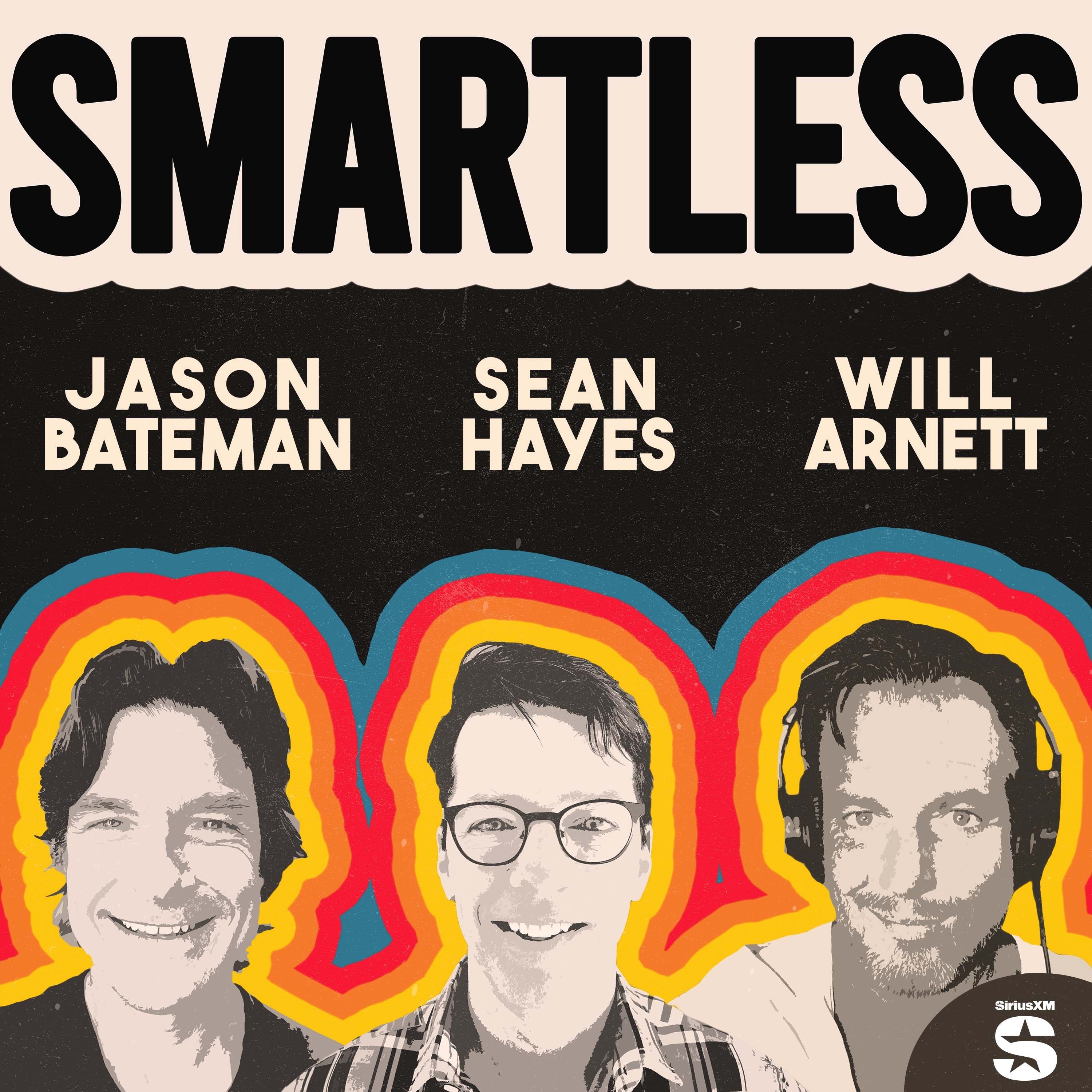
Hanks draws a sharp line between himself and real producers: producers spend all day convincing people to do things they don't want to do, or telling people they won't get what they want. Hanks just says yes to everything.

Where this was said
At 49:38 · chapter starts 45:56
Jason asks whether Tom was drawn to directing partly because he knew more than many directors he worked with. Tom firmly deflects: directing is 'a bit of an ego thing' and the moment you try it, you realize how hard it is. He argues every actor should try directing and every director should act — just to understand the other job. He then describes the frustration of being an actor with an idea in his pocket while a director says 'meh, try it again' without appreciating the difficulty of weeping on a horse while remembering six pages of dialogue. As for directing himself, Tom is honest: he has the instincts of an actor, not a director. Directors need fidelity, patience, and a belief that this is the greatest job in the world. 'And oftentimes it's not.'
Tom Hanks has directed two feature films and a number of episodes for miniseries, but says directors are born to it in a way he is not.
Avnish grew his solo business to $25,000 per month in just 15 months without spending a dollar on ads. His entire growth engine was built on community posts in Reddit and Facebook groups.
One well-crafted post in the right community took Avnish from single thousands of users to tens of thousands. This wasn't luck — it was a repeatable part of his 5-step playbook.
Most founders chase paid ads and influencer deals, but Avnish's growth came entirely from knowing where his users already gathered online. Dominating Reddit and Facebook groups — for free — was his entire strategy.
Spend 80% of your landing page design time above the fold. The hero section is the only thing most visitors will ever truly read, so it needs to deliver your full message instantly.
The dominant mobile monetization flow is simple: free download, onboarding, then a hard paywall that blocks all features until the user pays or starts a trial. It's unskippable by design — and that's exactly the point.
Switching PuffCount to a hard paywall and requiring a free trial before any feature access sent conversion rates soaring to 20–25%. One structural change to the payment flow — no new features, no new users — transformed the business.
Vasco is so confident in YouTube that he'll personally PayPal $500 to anyone who posts for 45 days and doesn't make $5,000. This isn't hype — it's a distillation of his own experience growing an AI app to $70K/month using nothing but daily videos.
Vasco's AI app went from zero to $70,000 a month in just two years. The entire growth engine was YouTube — one video a day, nothing fancy, no expensive tools. Most of his users came directly from the channel.
People buy from people they know, like, and trust. YouTube is the only platform that builds all three at scale — and Vasco's $1M business is the proof of concept.
We use essential and analytics cookies to run Vuci. To understand how the site is used: Privacy Policy.
Install Vuci on your phone
Add it to your home screen for a faster, app-like experience.
Install Vuci on your phone
Tap the Share button, then “Add to Home Screen”.
A new version is available
Reload to get the latest Vuci.