Lauren Laverne argued that Amy Winehouse represents the beginning of the digital music culture where all reference points exist in perpetuity online, enabling genre-blending artists.
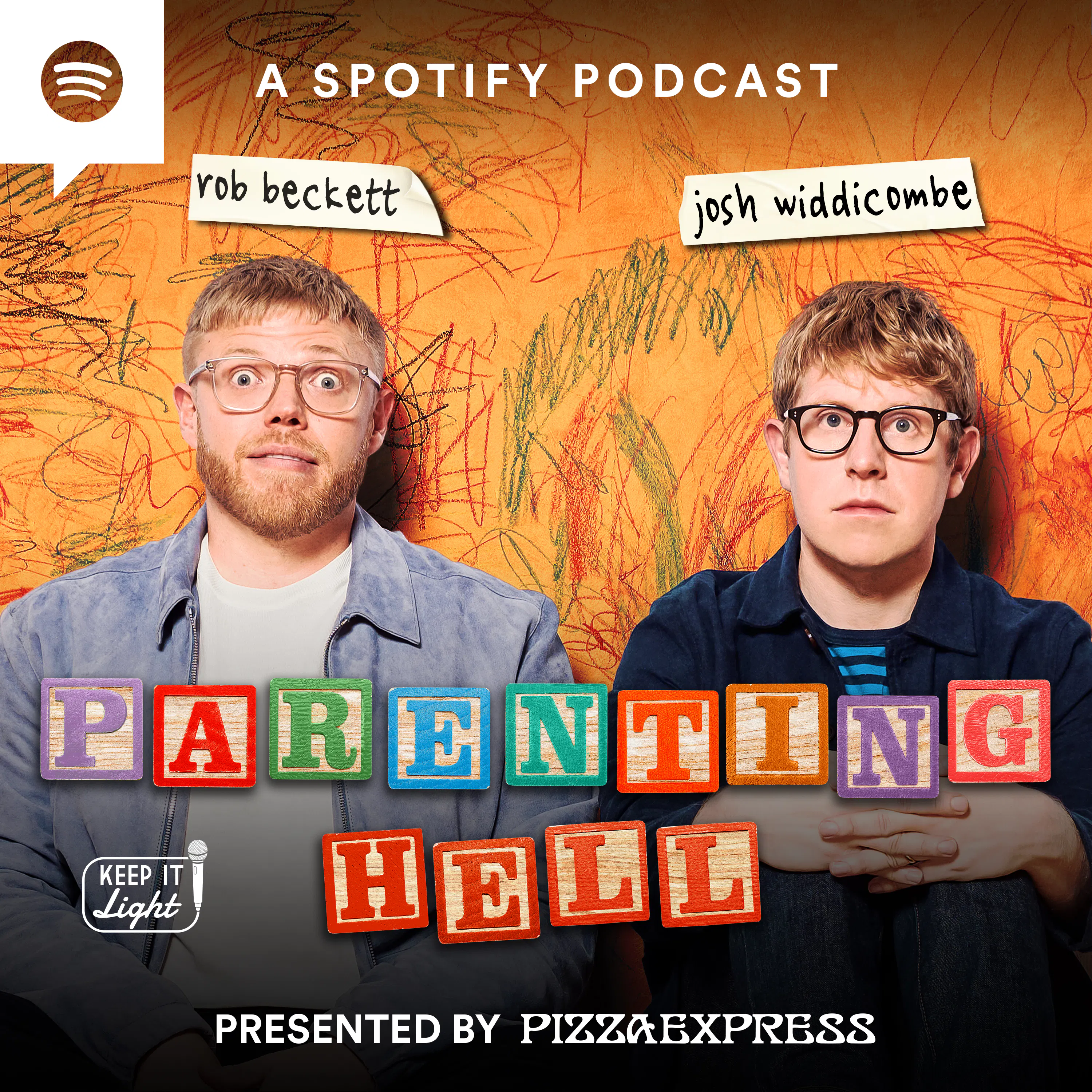
Snapshot · Parenting Hell with Rob Beckett and Josh Widdicombe
Lauren Laverne argued that Amy Winehouse represents the beginning of the digital music culture where all reference points exist in perpetuity online, enabling genre-blending artists.
Where this was said
At 19:55 · chapter starts 19:35
Prompted by a discussion about how today's teenagers know all music — from Bossa Nova to drum and bass — Rob Beckett observes that music algorithms now expose listeners to sixty years of music through a single recommendation. Lauren Laverne takes the thought further. She argues that the mid-noughties represent the moment when digitally available music reference points started reshaping artistic creation, and that Amy Winehouse is the clearest early example of this. [1] — Lauren Laverne "Lauren Laverne argues that Amy Winehouse represents the cultural hinge point where digital music changed everything. When all reference poi…" 19:30 Winehouse combined a Shangri-La sound, colloquial modern lyric writing, and a soulful voice drawn from multiple non-contemporary influences — a fusion only possible when all those references are permanently accessible. This is, Lauren argues, what modern pop music now is: deeply literate across genres because the internet has removed the gatekeepers. Josh Widdicombe is so impressed he announces he'll be passing the observation off as his own. Rob also claims partial credit. Lauren graciously surrenders it.
Lauren Laverne had her first son at approximately 28–29 and her second at 30–31, which was considered young in her social circle at the time.
The Frozen soundtrack was the best-selling album of 2014, selling 10 million copies including streaming equivalents — beating Taylor Swift's 1989.
Most music historians point to 1968 as the year reggae was definitively born, marked by songs like Desmond Dekker's 'The Israelites' and the first use of the word 'reggae' by Toots and the Maytals.
Mento, the earliest predecessor to reggae from the 1940s–50s, blended African work songs with European musical influences and featured instruments like banjo, guitar, and the rumba box.
Transistor radios allowed Jamaicans to tune into Miami R&B stations for the first time in the 1950s–60s, directly inspiring ska and setting the stage for reggae.
Rocksteady, the slower, vocal-heavy predecessor to reggae, was popular for just about two years but produced major hits including the original 'Tide Is High' and 'Ain't No Sunshine.'
Joe Higgs' 1960 debut hit 'Manny-O' with Higgs and Wilson was one of the first records ever pressed and sold in Jamaica, selling 50,000 copies — a remarkable figure for the era.
Two days after being shot in the chest and shoulder at his home in 1976, Bob Marley still performed the Smile Jamaica anti-violence concert, showing extraordinary commitment to peace.
Catch a Fire (1972) is considered the Wailers' first full-blown reggae album, despite the group having released approximately four albums prior that were more R&B in style.
DJ Kool Herc, widely credited as a founding father of hip-hop, was born in Kingston, Jamaica, and brought Jamaican toasting traditions with him when he moved to the Bronx at age 12.
We use essential and analytics cookies to run Vuci. To understand how the site is used: Privacy Policy.
Install Vuci on your phone
Add it to your home screen for a faster, app-like experience.
Install Vuci on your phone
Tap the Share button, then “Add to Home Screen”.
A new version is available
Reload to get the latest Vuci.
