
CNN chief said never show her on air again
The president of CNN told executives he never wanted to see a young Katie Couric on air again after her very first live White House report.
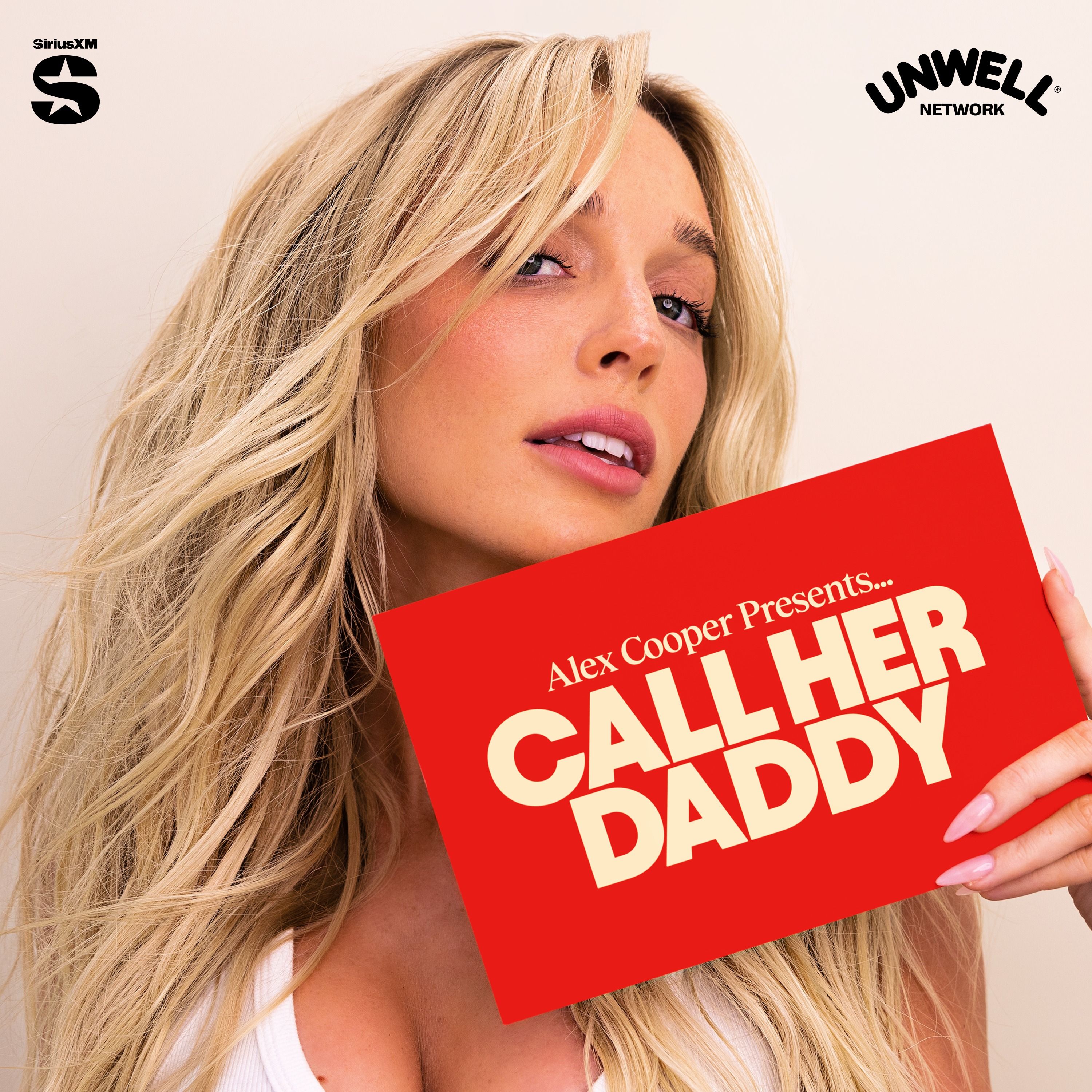
Snapshot · Call Her Daddy
The president of CNN told executives he never wanted to see a young Katie Couric on air again after her very first live White House report.
Where this was said
At 20:00 · chapter starts 19:00
Before landing the Today Show, Katie Couric was 22 and looked 16, and her first live White House report at CNN was, by her own admission, terrible. The president of CNN at the time, Reed Schoenfeld, called in to say he never wanted to see her on air again [1] — Katie Couric "At 22, Katie Couric's debut White House report was so rough that CNN president Reed Schoenfeld called in and said he never wanted to see he…" 19:10 . The blow was devastating — full of self-doubt, she nearly abandoned journalism entirely. But she looked around the newsroom and concluded those more experienced colleagues were only ahead of her because they'd done it longer. So she went to local news: covering drug deals gone bad and murders in Miami, interviewing Ray Charles in Atlanta, possibly even Boy George. She covered the Pentagon with no military background and worked obsessively hard. The lesson crystallised into a quotation from Malcolm Gladwell's 10,000-hour rule. She also recalls a DC news director telling her that if she wanted to anchor again she should try 'a really, really, really small market' — and years later, bumping into that same news director and asking him, 'Is the whole country a small enough market for you?' The message to younger listeners: rejection is information, not a verdict.
At 22, Katie Couric's debut White House report was so rough that CNN president Reed Schoenfeld called in and said he never wanted to see her on air again. Instead of quitting, she went to local news, covered murders in Miami, interviewed Ray Charles, and put in her 10,000 hours.
Katie Couric cited Malcolm Gladwell's 10,000-hour rule to explain how early setbacks forced her into local news work that ultimately prepared her for national anchoring.
Becoming the first woman to solo anchor the CBS Evening News made Katie Couric a historic figure — and an immediate target. Network insiders sabotaged her ideas, the audience resisted change, and media critics picked apart her makeup and hand placement. She describes it as one of the most challenging periods of her life.

Focus 80% of your landing page design effort on the hero section — the first thing visitors see when they open the website.
The hero section must convey the product's complete value proposition on its own, so visitors instantly understand what it is.
Visitors decide whether to stay or leave within just a few seconds, so immediate clarity is essential on any landing page.
Highlighting time savings, money savings, or a painful problem solved in the headline and subheading is the core conversion lever.
A prominent call-to-action must accompany the headline and subheading in the hero section to capture visitor intent immediately.
Avnish's solopreneur business reached $25,000 per month in revenue using a community-driven, zero-ad-spend marketing strategy.
Avnish scaled his business from zero to $25K/month in just 15 months using a single core marketing strategy.
Avnish acquired thousands of users without spending any money on marketing, relying entirely on Reddit and Facebook groups.
One specific Reddit or Facebook post was responsible for taking Avnish's user base from single thousands to tens of thousands.
We use essential and analytics cookies to run Vuci. To understand how the site is used: Privacy Policy.

Install Vuci on your phone
Add it to your home screen for a faster, app-like experience.
Install Vuci on your phone
Tap the Share button, then “Add to Home Screen”.
A new version is available
Reload to get the latest Vuci.